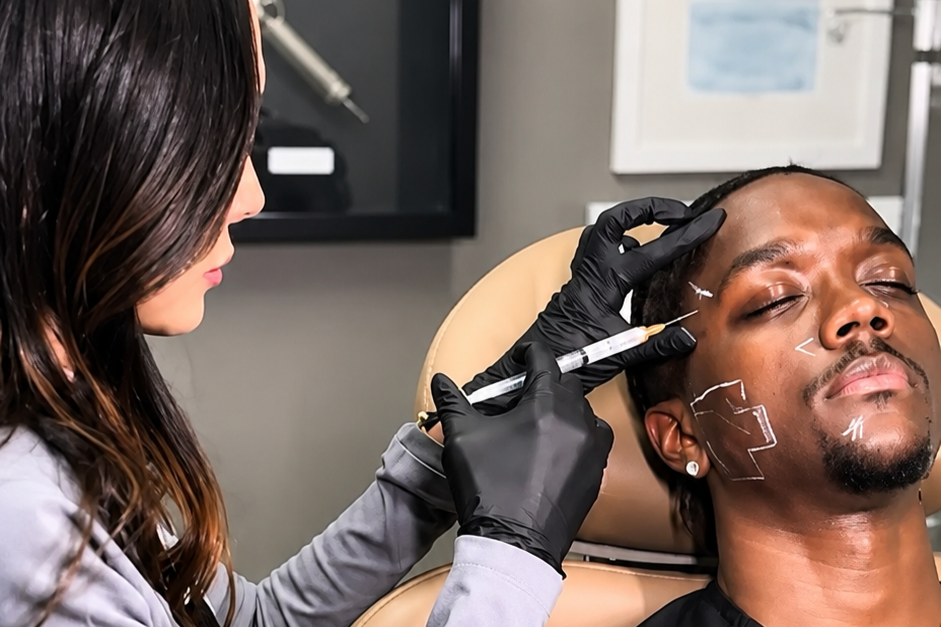

Patients tend to arrive with the vocabulary already half-formed. Someone has read that Sculptra is a biostimulator, or heard the word from a friend who came back from an appointment looking rested rather than reworked, and they want to know what the term means for their own face. The follow-up question is almost always the same. If several products fall under the biostimulator label, what separates Sculptra from the rest of them?
The short version is that biostimulators work with your own biology instead of replacing lost volume directly, and Sculptra was the first of them built around an ingredient that keeps prompting collagen long after the product itself has dissolved. That mechanism shapes how quickly the result shows and how long it lasts.
This guide walks through what a biostimulator is, how Sculptra produces its results, how it measures up against the other options in the category, and how to tell whether it suits your skin. Sculptra in Dallas, TX is one of the injectables our patients ask about most, and a different question comes up in nearly every consultation we have.
What Is a Biostimulator?
A biostimulator is an injectable that prompts your skin to manufacture new collagen, using a material the body slowly breaks down and clears on its own. The visible improvement comes from tissue your fibroblasts build in response, so it develops over months and reads as a gradual return of firmness rather than a sudden change on the table.
Collagen is the protein that gives young skin its structure and spring. Production falls steadily from the mid-twenties onward and the dermis grows thinner with each passing year, which is much of why cheeks flatten and the skin along the jaw begins to loosen. A biostimulator addresses that decline at the level of the tissue itself, coaxing the skin to rebuild some of the scaffolding it has lost.
Several materials do this work. Poly-L-lactic acid is the basis for Sculptra, while calcium hydroxylapatite anchors Radiesse. Newer entrants rely on materials such as polydioxanone and polycaprolactone. Each one behaves a little differently once it is in the skin, which is the whole reason the category rewards a closer look instead of being treated as interchangeable.
What Is Sculptra, and How Does It Work?
Sculptra is an injectable made from poly-L-lactic acid, or PLLA, a synthetic material that has been used in dissolvable sutures and medical implants for decades. Suspended in liquid and placed in the deeper layers of the skin, the PLLA microparticles act as a signal to your fibroblasts, the cells responsible for collagen. Over the following weeks the particles are absorbed, and the skin lays down fresh collagen along the treated area.
That sequence explains why results appear on a slower clock than most injectables. The framework rebuilds session by session and firms the skin from within rather than plumping it on contact. Most patients complete their series across a few appointments spaced weeks apart, and the change keeps developing for months after the final visit as the collagen matures. Our guide on how long Sculptra lasts breaks the phases down in more detail.
The key idea: Sculptra prompts your body to rebuild its own collagen, and that new collagen is what you actually see. The product dissolves within months, so the result is your own tissue rather than something layered on top. That is why a good Sculptra outcome reads as your skin looking better instead of looking treated. |
How Is Sculptra Different From Dermal Fillers?
Sculptra restores volume by rebuilding the skin’s own structural support, working underneath the surface across a series of weeks. Hyaluronic acid fillers take a different route. They occupy space directly, adding a soft gel wherever volume has been lost, and the result is visible the day of the appointment.
That distinction shapes what each one does well. A filler is the better tool when you want a defined change to a specific feature, such as a sharper chin or fuller lips, and you want to see it right away. Sculptra suits a broader goal, the kind of overall firmness and lift that comes from thicker, healthier skin across a whole region of the face. The two often work as complements, and many plans use both. Our overview of dermal fillers in Dallas, TX covers where filler earns its place.
How Does Sculptra Compare to Other Biostimulators?
Sculptra shares the category with a handful of other collagen-stimulating injectables, and each one has a temperament of its own. The table below sets the most common options side by side.
Biostimulator | Active material | How it behaves in the skin | Where it tends to fit |
|---|---|---|---|
Sculptra | Poly-L-lactic acid (PLLA) | Dissolves over months while collagen rebuilds gradually across broad areas | Overall facial volume and firmness across the cheeks and temples |
Radiesse | Calcium hydroxylapatite (CaHA) | Adds structure on contact, then stimulates collagen as the gel resorbs | Sharper contour along the jawline for patients who want some immediate support |
PDO stimulators | Polydioxanone | Prompts collagen as the material breaks down, usually over a shorter window | Skin-quality refinement and mild tightening, sometimes placed as threads |
Renuva | Processed adipose matrix | Recruits the body to form new fat where fat has been lost | Localized fat restoration rather than collagen firming |
What Does the Research Say About Sculptra?
PLLA carries one of the longer track records in aesthetic medicine, and the volume it produces has been measured rather than merely marketed. In a clinical study of patients treated for facial fat loss, injectable PLLA produced a roughly threefold increase in skin thickness that held for up to two years after treatment (J Funct Biomater, 2020). That gain came from tissue the patients grew themselves, which is the clearest illustration of what separates a biostimulator from a product that only fills.

Where on the Face Does Sculptra Work Best?
Sculptra earns its reputation in areas where volume has thinned across a broad zone rather than pooled into a single crease. The cheeks are the classic example. As the fat pads deflate and the skin above them loses thickness, the midface flattens and the folds running toward the mouth deepen. Rebuilding collagen across that whole area lifts it in a way that reads as rest rather than filler.
Two situations tend to suit Sculptra especially well:
- A face that has lost firmness and support generally, where the goal is an overall refresh rather than one adjusted feature
- Temples and cheeks that have hollowed with age, giving the upper face a drawn look that broad collagen rebuilding can soften
Areas that call for a crisp, defined edge are usually a better match for filler, which is why an experienced injector often maps a plan that uses each where it performs.
What Does the Sculptra Timeline Look Like?
Patience is the price of the natural result. Most patients begin with a short series of sessions spaced roughly four to six weeks apart, which gives the collagen time to develop between visits. Early on there may be mild swelling from the fluid the product is suspended in, and that settles within days, at which point the face looks much as it did before. The real change arrives later. New collagen forms over the weeks that follow and continues building for months, so the result you see at three or four months is fuller than the one you noticed at three or four weeks. Once it matures, the improvement commonly lasts two years or longer.
Who Is a Good Candidate for Sculptra?
Sculptra fits patients who want a gradual, natural-looking restoration and are comfortable letting it unfold. It works best for skin that has thinned and lost support with age, and for anyone whose aim is a refreshed overall appearance rather than a single dramatic edit.
A consultation is where candidacy is settled, since the right plan depends on how much volume has been lost and where. Treatment is generally deferred during pregnancy and breastfeeding, and for patients with certain autoimmune or connective tissue conditions or a history of keloid scarring. Your provider will review your health history before anything is injected.
How Do You Get the Best Results From Sculptra?
Aftercare carries more weight with Sculptra than with most injectables, because the way the product settles influences how evenly the collagen forms. The best-known instruction is the massage protocol many injectors recommend in the days after treatment, which helps distribute the particles and lowers the chance of small nodules forming under the skin. Our guide to Sculptra aftercare walks through the massage rule and the rest of the early routine.
Beyond that, the fundamentals of skin care do the quiet work. Daily broad-spectrum sunscreen protects the collagen you are paying to build, and a steady routine keeps the skin barrier in good condition while your results develop.
How Does Sculptra Fit With Other Treatments?
Sculptra rebuilds the foundation, and a complete plan usually layers other tools on top of it for the concerns collagen alone will not address. Filler refines shape where a feature needs definition, and the two are often sequenced together so the biostimulator improves skin quality while the filler handles contour. Our guide to combining fillers and biostimulators explains the order that tends to work best.
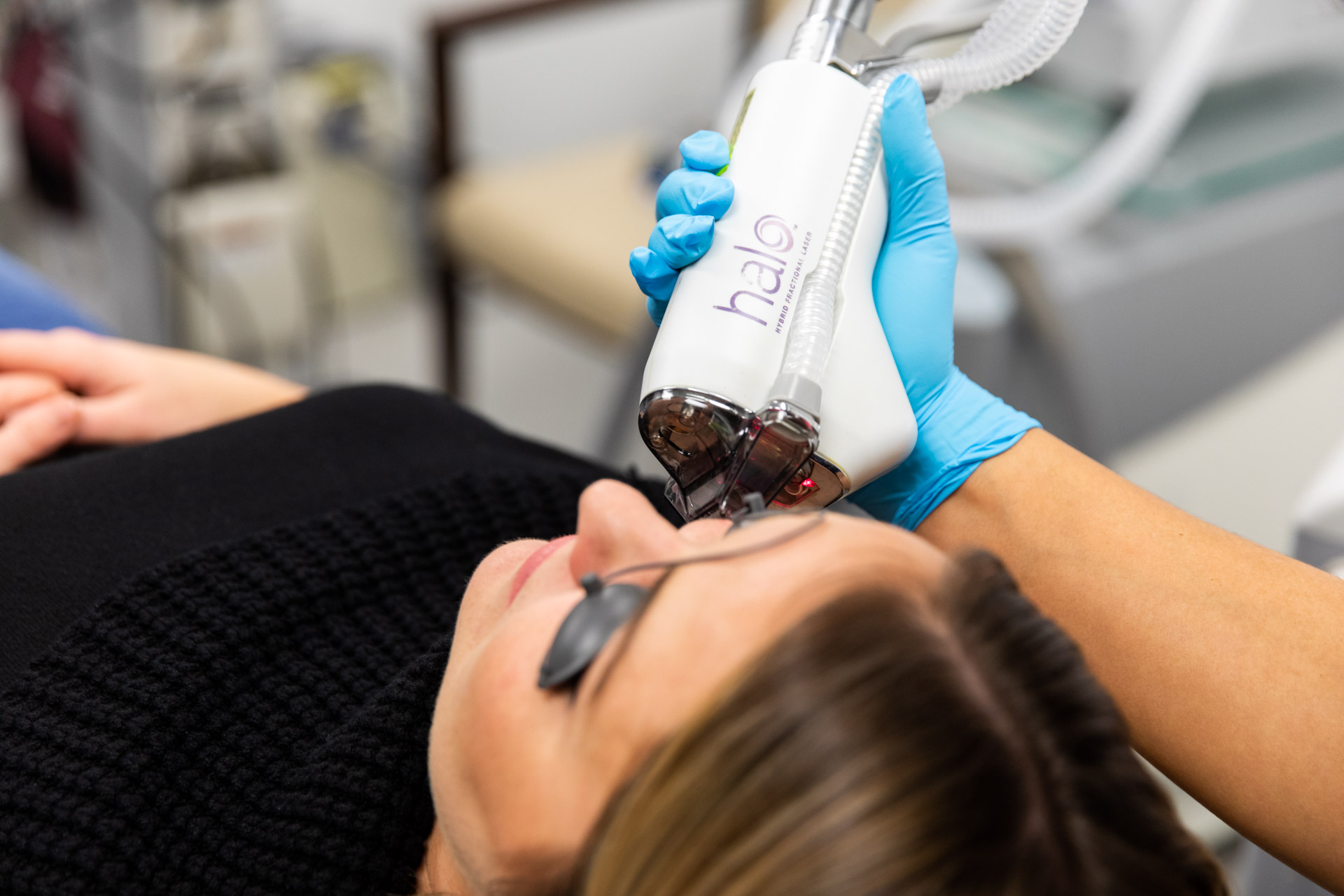
For texture and early collagen support between sessions, SkinPen microneedling in Dallas, TX pairs naturally with a Sculptra series, and regular facial treatments in Dallas, TX keep tone and clarity on track while the deeper rebuilding happens underneath.
Frequently Asked Questions
Is Sculptra a filler?
Sculptra is a collagen-stimulating injectable, part of the biostimulator category. It restores volume by prompting your skin to build its own collagen over time, which sets it apart from hyaluronic acid fillers that add gel to a specific spot for an immediate change.
How long does it take to see results from Sculptra?
The gradual timeline is part of the design. Early swelling from the injection fluid settles within days, and the true improvement builds over the following weeks as new collagen forms, with the fullest result usually visible around three to four months after the final session.
How many Sculptra sessions will I need?
Most patients complete a short series, often two or three appointments spaced several weeks apart, though the exact number depends on how much volume has been lost. Your provider will map the plan during your consultation.
How long do Sculptra results last?
Once the collagen has fully matured, results commonly hold for two years or longer, which is one of the main reasons patients choose it over shorter-lived options. Occasional maintenance sessions keep the effect going.
Does Sculptra look natural?
Because the volume comes from your own collagen rather than an added gel, the change tends to read as healthier, firmer skin. That subtlety is a large part of why patients who want to avoid an obvious treated look choose it.
Is Sculptra safe?
Poly-L-lactic acid has a long safety record in medicine and has been used in aesthetics for two decades. As with any injectable, outcomes and safety depend heavily on the training of the person performing the treatment, which is why injector experience matters more than any single product name.
Taking the Next Step
The most useful step is to have an experienced injector look at your face and tell you honestly whether collagen rebuilding fits what you want to change. Our team will assess where volume has been lost, explain what Sculptra can and cannot do for your skin, and design a plan around your goals.
Book your Sculptra consultation at Lily Aesthetics & Wellness today.